


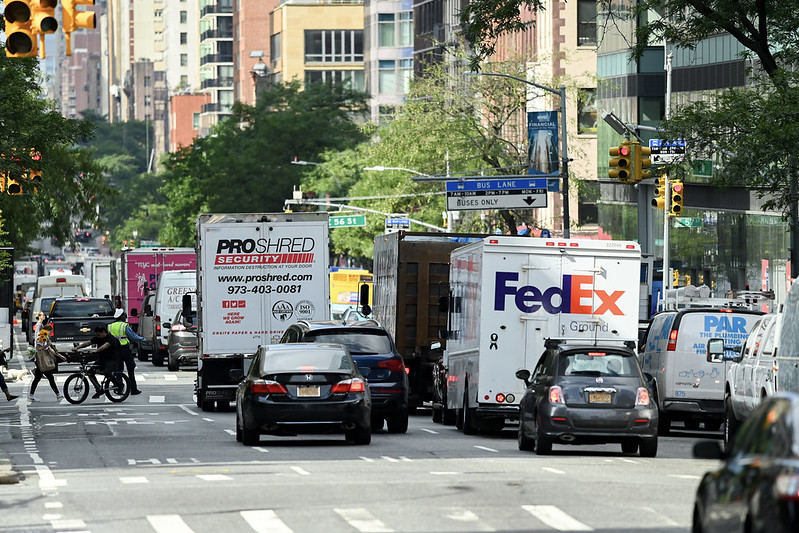
By implementing intelligent traffic management systems, cities can significantly reduce congestion and minimize travel times. These systems utilize real-time data from sensors, cameras, and other sources to analyze patterns and adjust signal timing accordingly. This dynamic approach enables cities to respond quickly to changing conditions, reducing the likelihood of gridlock and decreasing the environmental impact of idling vehicles.
They are useful for predictive road conditions
As cities continue to grow and expand, vehicular congestion has become a pressing issue that affects not only commuters but also the environment and local economies. Efficient flow is crucial to reducing travel times, decreasing air pollution, and improving overall quality of life. Intelligent management systems offer a proactive approach to managing vehicular flow, leveraging advanced technologies to optimize signal timing, monitor conditions, and respond to incidents in real-time.
Improving urban vehicular traffic planning
Cities that adopt smart road systems can expect to see tangible benefits, including reduced travel times, improved air quality, and enhanced public safety. Furthermore, these systems provide valuable insights into motorists patterns, enabling city planners to make informed decisions about infrastructure development and transportation policy. By adopting intelligent traffic management, cities can create a more efficient, sustainable, and livable environment for their citizens.


