


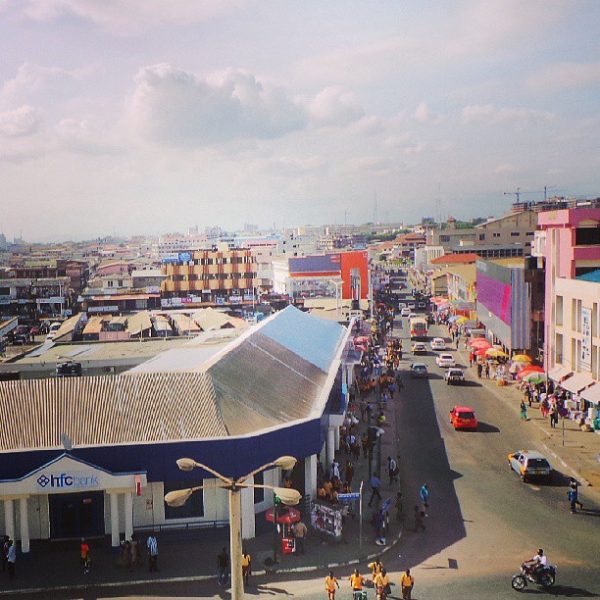
Accra, Ghana’s vibrant capital, presents a compelling confluence of modernization and enduring tradition. Highlife music resonates across a rapidly evolving urban landscape, where bustling markets showcase vibrant textiles and artisanal crafts. Ancient customs persist, observed against a backdrop of gleaming skyscrapers. Accra offers visitors a direct experience of this dynamic intersection, revealing how the city navigates its profound heritage while actively embracing its future.
A Legacy Rooted in Tradition:
Accra’s history remains deeply connected to its ancient Ga roots. The Ga people, its original inhabitants, profoundly shaped the city’s culture and traditions. Tradition permeates daily life, from the elaborate burial festivities demonstrating deep ancestral reverence to the vibrant Homowo festival, which commemorates a victory over famine. These are not mere historical artifacts; they are dynamic elements continually influencing the city’s identity.
The bustling Central Market vividly exemplifies this, offering a sensory experience of vibrant colors, compelling sounds, and diverse aromas. Here, market women, often in traditional attire, operate as both entrepreneurs and custodians of culture, actively transmitting knowledge and customs across generations. Similarly, street-side herbalists and traditional healers offer insights into ancient medical practices that retain their relevance even amidst modern healthcare access.
Embracing a Modern Future:
Alongside its traditional foundations, Accra actively embraces modernity. Gleaming office towers puncture the skyline, symbolizing economic growth and ambition. A burgeoning tech scene attracts young entrepreneurs and innovators, eager to develop solutions for local and global challenges. International brands establish a presence, catering to a growing middle class with increasing access to global trends.
The city’s artistic expression likewise reflects this fusion. Modern art galleries showcase contemporary works that often grapple with themes of identity, colonialism, and the complexities of navigating a globalized world. Restaurants cultivate diverse culinary experiences, blending traditional Ghanaian dishes with international flavors. This embrace of modernity transcends mere adoption of external trends; it involves adapting and integrating them into the existing cultural fabric, thus forging something uniquely Ghanaian.
The Delicate Balance:
Preserving cultural heritage amidst rapid development demands careful planning and intentional efforts. Ensuring the equitable and sustainable distribution of economic growth benefits proves crucial to prevent exacerbating existing inequalities. Striking a balance between embracing the new and honoring the old necessitates open dialogue, robust community engagement, and a steadfast commitment to safeguarding the city’s unique character.
Experiencing the Dichotomy:
To experience this dichotomy first-hand, visit the Jamestown neighborhood, a historic fishing community where traditional Ga culture thrives alongside colonial-era architecture. Explore the National Museum, which provides a comprehensive overview of Ghanaian history and art. Attend a contemporary art exhibition to witness the city’s evolving creative landscape. Savor a traditional Ghanaian dish like fufu and light soup, then sample a modern interpretation at a contemporary restaurant.
Finally
More than just a city, Accra stands as a powerful testament to cultural resilience amidst change. Here, the past profoundly influences the present, as a generation dedicated to preserving their heritage actively shapes the future while embracing a rapidly evolving world’s boundless potential. Visitors to Accra encounter a distinctive and profound experience, where the enduring pulse of tradition harmonizes with modern rhythms.


