


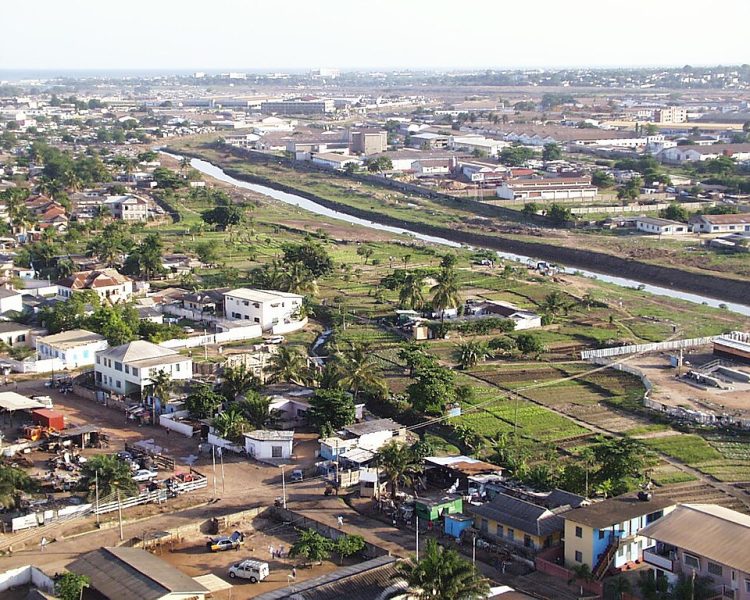
Accra, Ghana’s capital, stands as a vibrant economic and social nexus, defined by historic commerce and a burgeoning tech ecosystem. Yet, this rapid expansion mirrors the trajectory of many emerging global cities: Accra confronts profound urban planning challenges. Its explosive growth consistently overtakes infrastructure development and planning capacity, spawning a complex array of crises—from paralyzing traffic and insufficient housing to poor sanitation and acute environmental decay.
The Rapid Rise of an Urban Giant:
Accra’s population has surged in recent decades, driven by rural migration seeking expanded economic opportunity. This swift urbanization strains the city’s infrastructure and resource base. The continuous influx generates a proliferation of informal settlements, limiting access to basic services and condemning residents to substandard housing.
Key Challenges in Accra’s City Planning:
Several acute issues drive the complexities inherent in planning Accra’s future:
Traffic Congestion: As vehicle volume mounts, Accra’s roads suffer paralyzing congestion. This gridlock imposes significant economic losses, causes major delays, and elevates air pollution. Inadequate public transit and poorly integrated road networks amplify the issue.
Sanitation and Waste Management: Accra struggles with deficient sanitation and ineffective waste management practices. Improper disposal fuels environmental contamination, creates public health hazards, and blocks drainage systems, significantly contributing to flood risk.
Flooding: Accra remains highly susceptible to flooding, especially during the rainy season. Faulty drainage infrastructure, insufficient waste capture, and unchecked development encroaching upon natural waterways exacerbate this recurring crisis.
Efforts to Improve City Planning:
In response, the government, collaborating with international entities and local stakeholders, now champions various initiatives designed to mitigate the city’s urban challenges:
Infrastructure Development: The government dedicates investment to road construction, public transportation upgrades, and drainage systems, improving connectivity and curbing congestion.
Affordable Housing Initiatives: Authorities actively promote affordable housing projects, tackling the housing deficit and elevating living standards for low-income populations.
Waste Management Programs: Stakeholders focus efforts on enhancing waste collection, recycling efficacy, and disposal methods to reduce pollution and health risks.
Securing the Future
Accra’s trajectory hinges entirely on its capacity to resolve its persistent urban planning crises. By adopting comprehensive, sustainable solutions, Ghana’s capital secures its path toward becoming a more resilient, prosperous, and livable metropolis for all its residents. Though the journey demands sustained commitment, strong leadership, robust community partnership, and rigorous adherence to sustainable development principles will enable Accra to fully realize its potential as a vibrant regional hub.


