


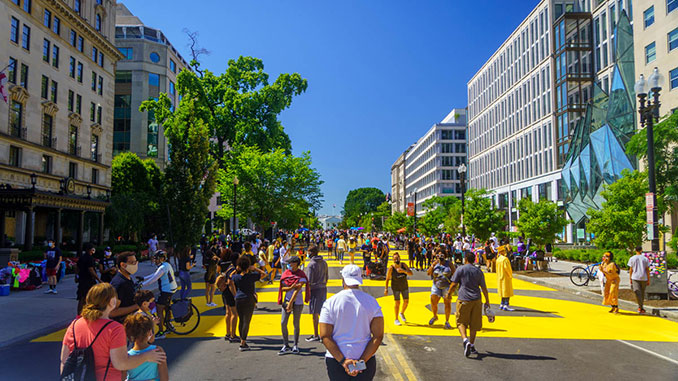
Accra’s complex identity stems from a convergence of diverse cultures, ethnic groups, and socioeconomic backgrounds. This demographic depth acts as the city’s primary engine, simultaneously driving its unique dynamism, enhancing its cultural richness, and presenting significant governance challenges. Understanding this inherent complexity remains critical for grasping Accra’s essence and strategically capitalizing on its opportunities and proactively managing its risks.
A Rich Historical Heritage
Long before the colonial era, Accra served as a magnet, drawing regional populations through commercial and agricultural prospects. European traders further accelerated population diversification, establishing distinct communities like Jamestown and Usshertown. These settlements developed unique cultural identities shaped by sustained interaction with European powers.
Ethnic and Linguistic Mosaic
Today, Ghana’s capital comprises a complex ethnic and linguistic landscape. While residents recognize the Ga people as the indigenous group, the city hosts a multitude of other ethnic groups from across the nation and beyond. Akan speakers, especially Twi speakers, constitute a significant population share, alongside groups like the Ewe, Dagbani, and Hausa.
English functions as the official language, yet Ga, Twi, and various other Ghanaian languages thrive in everyday use. This multilingual environment amplifies Accra’s vibrant ambiance; diverse linguistic fragments resonate actively in markets, taxis, and public spaces.
Socio-economic Stratification
Accra’s demographic fluidity extends beyond ethnicity and language, encompassing a vast spectrum of socio-economic realities. The city supports a burgeoning middle class, ambitious professionals, and thriving entrepreneurs, even as a significant population resides in informal settlements, actively struggling against entrenched poverty. This economic disparity creates sharp visible contrasts: affluent neighborhoods stand adjacent to areas facing critical deficits in basic services, sanitation, and education access.
The Impact of Migration
Migration fundamentally drives Accra’s demographic shifts. The city attracts individuals from rural areas seeking enhanced economic opportunities, alongside foreign migrants from across Africa and internationally. This steady influx fuels the city’s rapid expansion, simultaneously straining existing infrastructure and resource capacity. City planners face the key challenge of managing this growth sustainably and equitably.
Opportunities and Challenges
This diversity, however, demands sophisticated governance. Leaders must actively address persistent issues of inequality, social cohesion, and equitable resource access to ensure all residents share in the city’s prosperity. Promoting respect and mutual understanding across different ethnic and socio-economic groups remains essential for constructing a harmonious and inclusive society.
Looking Ahead
As Accra rapidly expands and evolves, prioritizing the understanding and integration of its demographic diversity becomes essential for sustainable development. Policies must actively champion inclusivity, tackle inequality, and celebrate cultural heritage to harness the potential of its varied population. By recognizing the inherent strengths of its demographic makeup and proactively addressing associated challenges, Accra ensures continued success as a vibrant, dynamic, and welcoming metropolitan hub.
Accra’s demographic complexity constitutes its lifeblood—a dynamic force that fundamentally shapes its culture, economy, and future trajectory. Embracing this complexity allows Accra to build a more equitable, prosperous, and inclusive society for every resident.


